Smiling Beyond the Chair: Gum Health, Mental Wellness & Power of Helping Each Othere
A healthy smile is about more than teeth.
It’s about confidence. Connection. Comfort. Being able to laugh without hiding your mouth. Being able to walk into a dental office without feeling judged. And sometimes, simply having someone listen to you without making you feel ashamed for where you are in your oral health journey.
For more than three decades, I’ve worked as a dental hygienist, caring for patients and studying the health of the tissues that support every smile. That experience has taught me that clinical knowledge is only part of effective care. The other part is recognizing the person behind the symptoms, the diagnosis, and the appointment.
Every mouth belongs to a person with a story.
And that story can affect oral health just as much as brushing, flossing, periodontal bacteria, or the next dental appointment.
Gum Health Is More Than What We See
Gum health is often reduced to bleeding, inflammation, pockets, plaque, and bone loss.
Those things matter.
But what happens when someone is afraid to make an appointment?
What happens when embarrassment keeps someone from seeking care?
What happens when a person has had a painful or traumatic dental experience and their nervous system remembers it long after the appointment is over?
What happens when someone is overwhelmed by life and brushing their teeth simply isn’t at the top of their list?
These are not excuses.
They are opportunities to understand the whole person.
Oral health behaviors don’t happen in a vacuum. Stress, anxiety, shame, life circumstances, previous experiences, and the relationship someone has with healthcare can all influence how they care for themselves and whether they seek professional care.
That’s why conversations about gum health need to go beyond the dental chair.
The Dental Chair Is Only One Part of the Story
For some people, walking into a dental office can feel like walking into a place where they expect to be judged.
Maybe they’ve been told:
“You should have been flossing.”
“Why did you wait so long?”
"Your gums are really bad.”
Even when those statements are technically intended to educate, the way we communicate can determine whether someone feels safe enough to come back.
There is a difference between educating someone and shaming someone.
Education says:
“Here’s what I see, and here’s how we can help.”
Shame says:
“You should have done better.”
One opens a door.
The other can close it.
And when that door closes, oral health can suffer.
What If We Changed the Question?
Instead of asking:
“Why haven’t you been taking care of your teeth?”
What if we asked:
“What has made taking care of your oral health difficult?”
That one question can change the conversation.
Maybe the person has dental anxiety.
Maybe they are embarrassed.
Maybe they don’t have dental insurance.
Maybe they had a previous experience that still affects them.
Maybe they’re caring for children, parents, or a partner.
Maybe they’re dealing with depression, grief, financial stress, or another major life transition.
Maybe nobody ever taught them what healthy oral care actually looked like.
Understanding the barrier doesn’t remove personal responsibility.
It creates a pathway toward action.
Patients Aren’t the Only Ones Who Need Care
There is another side of this conversation that we don’t talk about enough.
Dental professionals are people too.
We spend our days caring for other people while often working in physically demanding, emotionally demanding environments.
We listen to patients’ fears.
We manage difficult conversations.
We worry about treatment outcomes.
We work with schedules, production pressures, staffing challenges, difficult interactions, and the expectations of providing excellent care.
And sometimes we go home carrying pieces of the day with us.
The dental professional sitting across from you may also be having a difficult day.
That doesn’t mean patients shouldn’t expect excellent care.
It means we can create a healthcare environment where compassion goes both ways.
Patients deserve to be heard.
Professionals deserve to be heard.
Patients deserve respect.
Professionals deserve respect.
Patients can communicate their needs.
Professionals can communicate their boundaries.
And both can remember that there is a human being on the other side of the conversation.
Mental Wellness Belongs in the Conversation
Mental wellness isn’t separate from healthcare.
It intersects with how we communicate, how we cope, how we seek care, and how we care for ourselves.
Dental professionals don’t need to become therapists.
Patients don’t need to tell us everything happening in their lives.
But we can become better at recognizing when someone may be struggling and responding with compassion.
Sometimes that response is as simple as:
“Thank you for telling me.”
Or:
“We can take this one step at a time.”
Or:
“You don’t have to be embarrassed. You’re here now, and we’re going to work from here.”
Those words don’t fix everything.
But they can change how someone experiences healthcare.
And sometimes, feeling safe enough to take the next step is exactly what someone needs.
How Patients Can Help Professionals
This relationship goes both ways.
Patients can help their dental teams by communicating openly.
Tell your dental professional if you’re anxious.
Tell them if you’ve had a difficult experience.
Tell them what helps you feel more comfortable.
Ask questions.
Speak up when you don’t understand something.
And if you need a pause, communicate that.
You don’t have to suffer silently.
At the same time, remember that your dental professional is human.
Kindness doesn’t mean you can’t advocate for yourself.
You can do both.
How Professionals Can Help Patients
And professionals can help by creating an environment where honesty feels safe.
Listen before lecturing.
Explain before treating.
Ask permission when appropriate.
Avoid shame-based language.
Give patients realistic, manageable next steps.
Celebrate progress.
And remember that the person in your chair may have taken an enormous amount of courage just to show up.
Sometimes the biggest win isn’t perfect oral hygiene.
Sometimes it’s simply:
They came back.
We Can Help Each Other Smile Beyond the Chair
I believe oral healthcare has the opportunity to become something bigger than procedures, appointments, and clinical measurements.
It can become a place where people feel seen.
Where fear can be talked about.
Where questions are welcomed.
Where professionals can care for themselves while caring for others.
Where patients aren’t defined by their worst dental experience.
And where gum health becomes part of a much bigger conversation about whole-person wellness.
Because behind every set of teeth is a person.
Behind every dental professional is a person.
And behind every smile is a story.
Maybe that’s where we start:
Not with judgment.
Not with shame.
But with curiosity, compassion, communication, and a willingness to help each other take the next step.
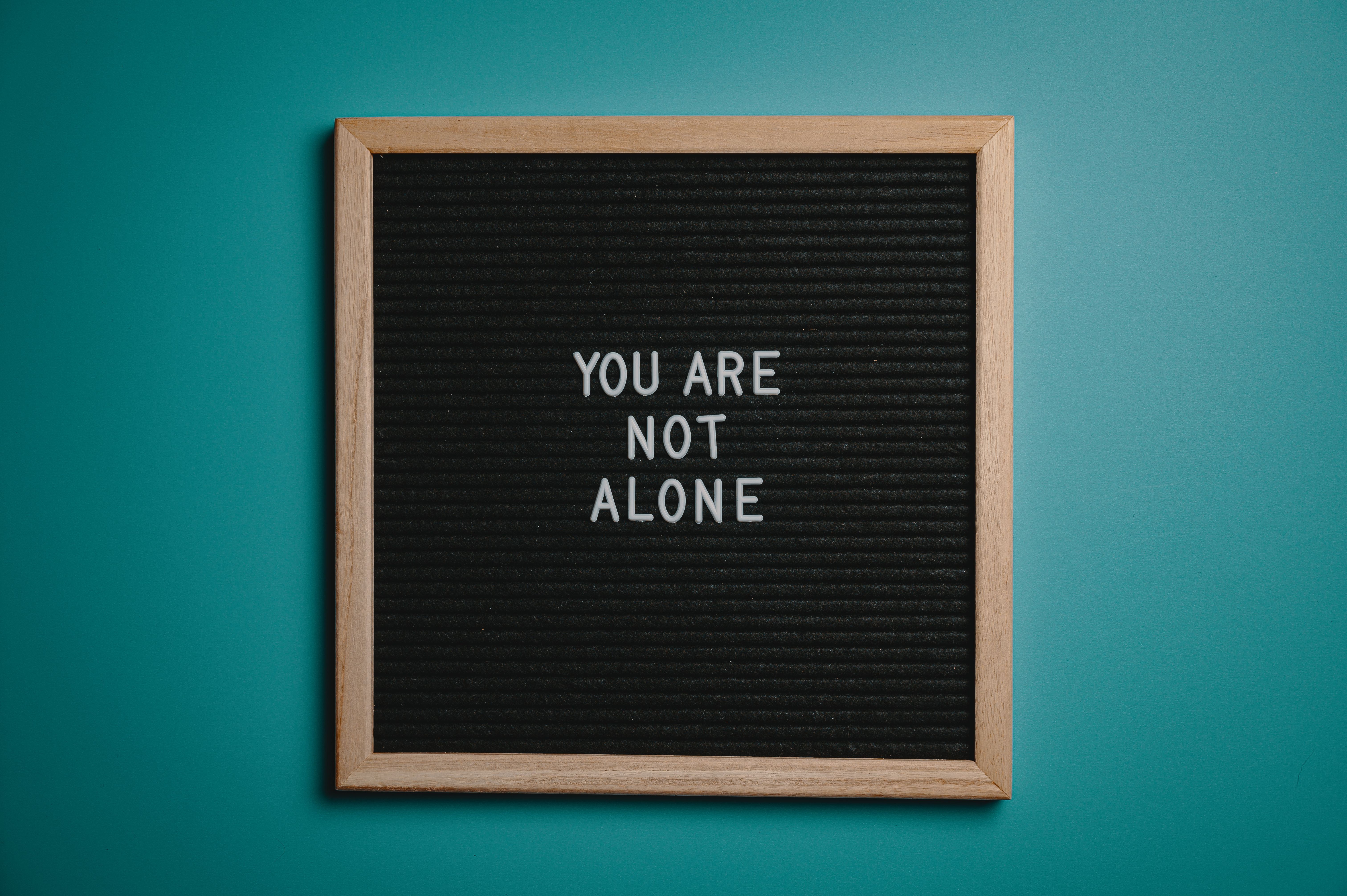
Your oral health matters. Your mental wellness matters. And you don’t have to navigate either one alone.
This is what it means to smile beyond the chair.
— Hope Loyd, BSDH, RDH
Gum Goddess | Host & Founder, Gums & Gossip™
President-Elect AADH
Fear Less. Smile More.